
Scientific Diving & Research
The UFEF will conduct scientific dives directly, we also work with partners and experts to ensure recovered materials, evidence, and artifacts are properly documented, preserved, and submitted for review by the scientific community. Our network includes specialists in:
- Forensics – Evidence collection and cold case-related material examination.
- Anthropology – Human remains collection, identification, and cultural context.
- Archaeology – Recovery and preservation of submerged artifacts.
- History – Research into historically significant sites and objects.
- Environmental Science – Assessment of environmental conditions surrounding recovery sites.
We act as the bridge between underwater recovery operations and the experts who can properly study, validate, and archive findings—ensuring that both legal and scientific standards are upheld correctly and ethically.
Projects Our Volunteers Have Supported
USS LING PRESERVATION PROJECT
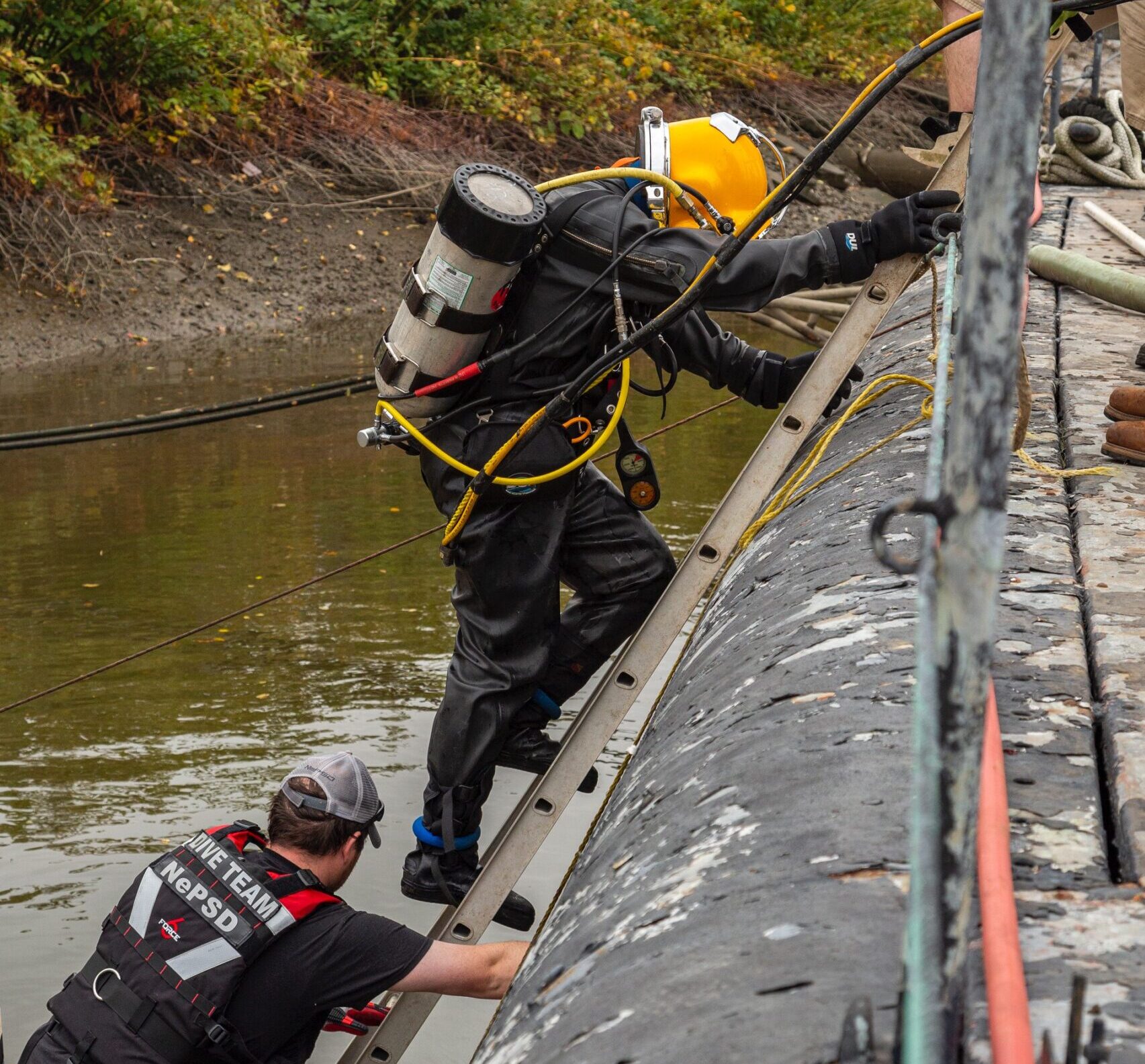
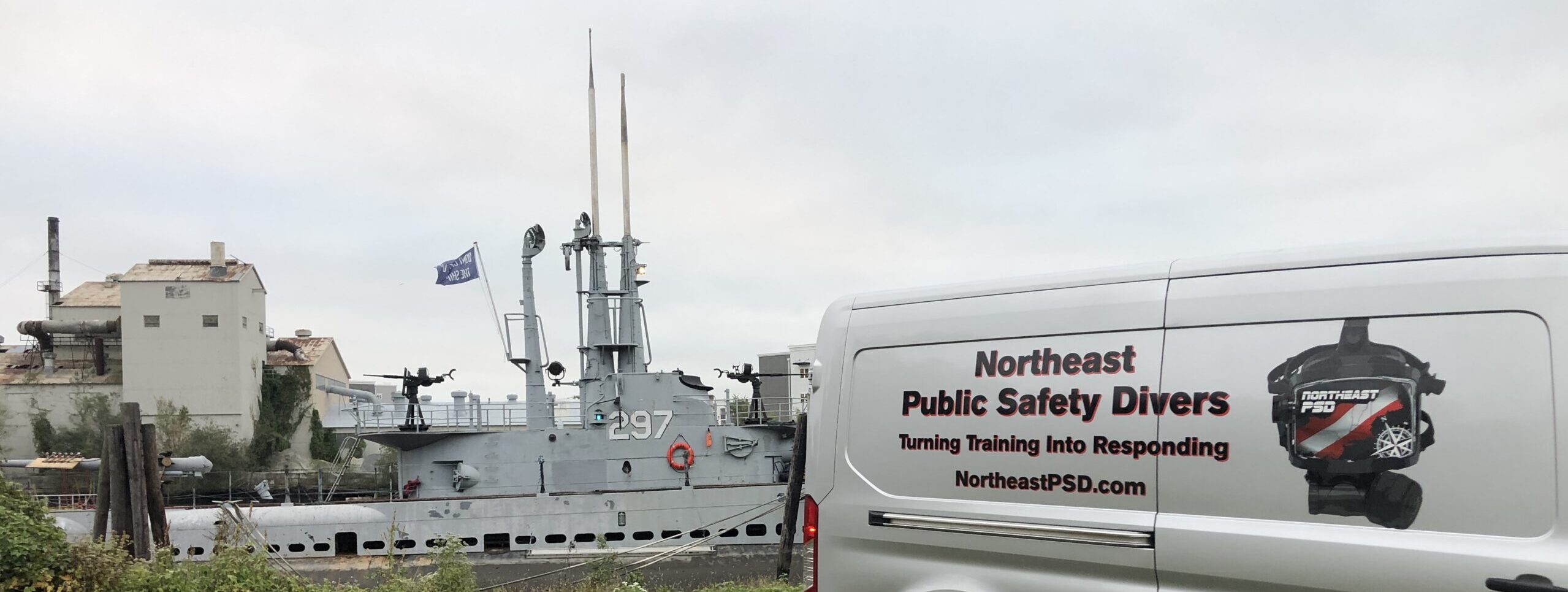
UFEF divers volunteered their time and equipment to excavate mud out from around the hull while the restoration team filled the sub with air. The goal was to break the suction of the mud that was holding for many years so the sub could be brought to dry dock. The mission was successful, and the team was able to float the sub, due to funding issue the sub never made it to dry dock and is now safely secured back in the mud.
LILAC PRESERVATION PROJECT
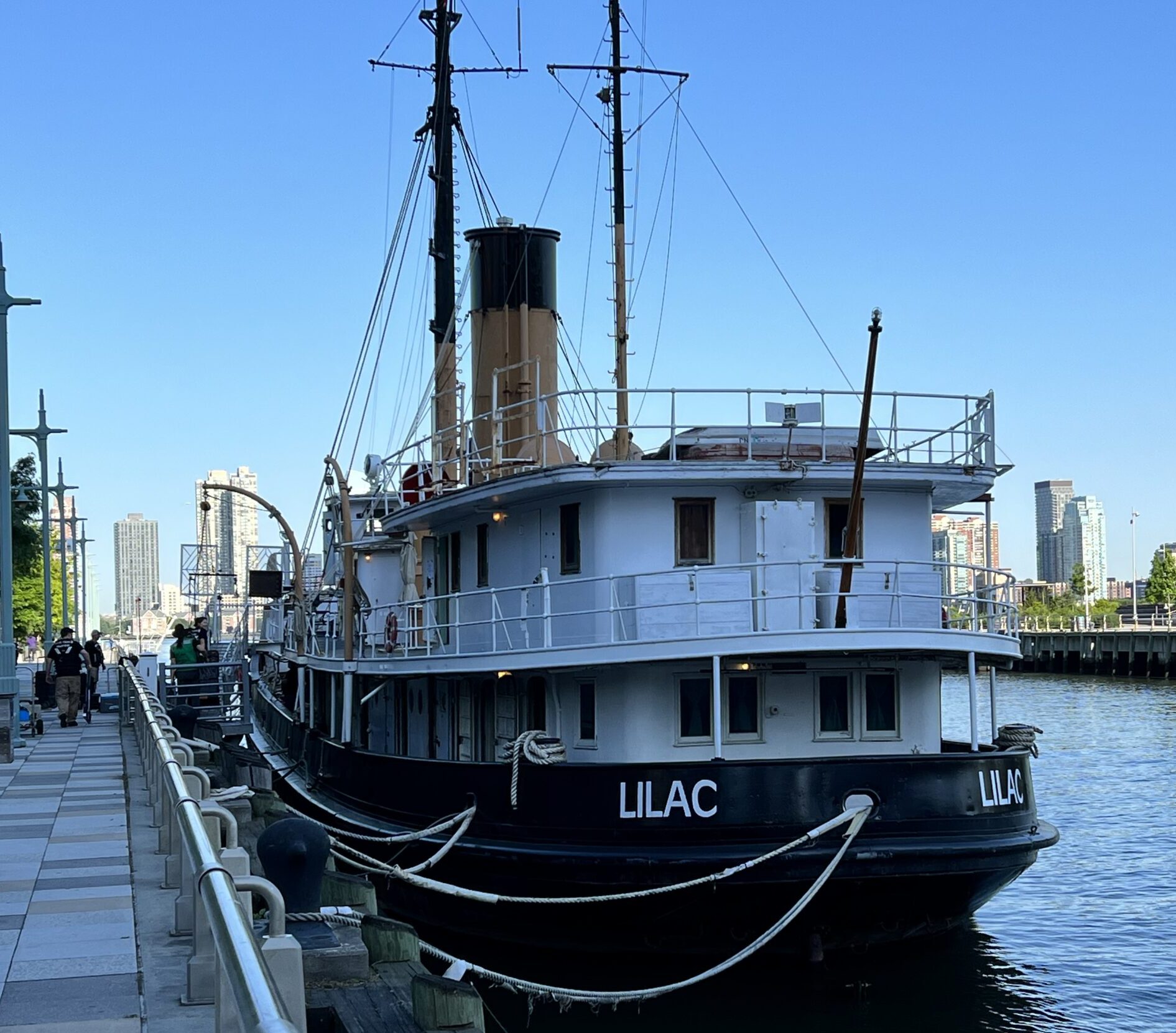
Tending America’s Oldest Lighthouse Tender
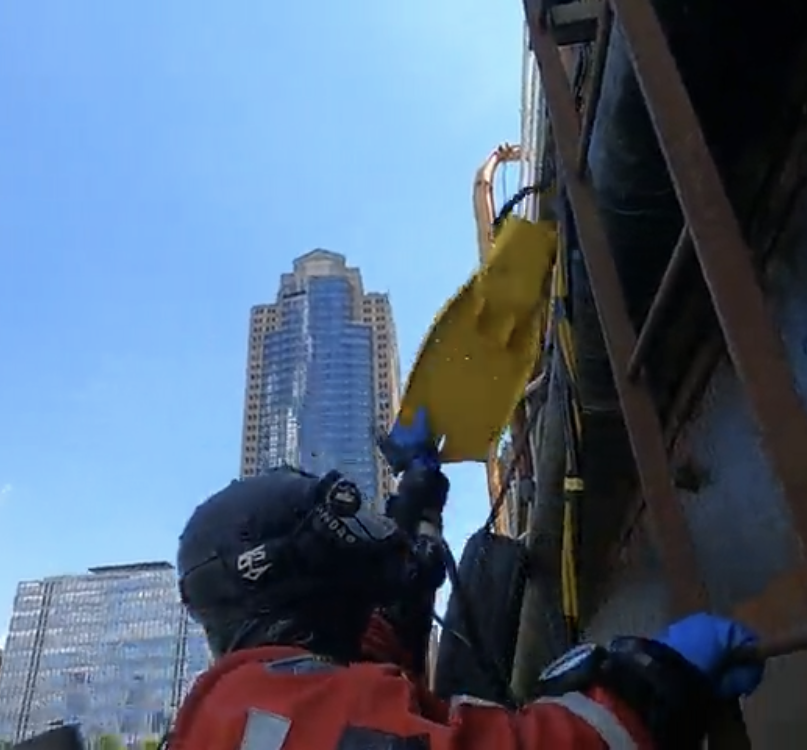
UFEF Divers volunteered their time and equipment to survey the hull and document any damage. The team generated sketches to be used for future inspection to gauge the timeline of decoration to the hull.
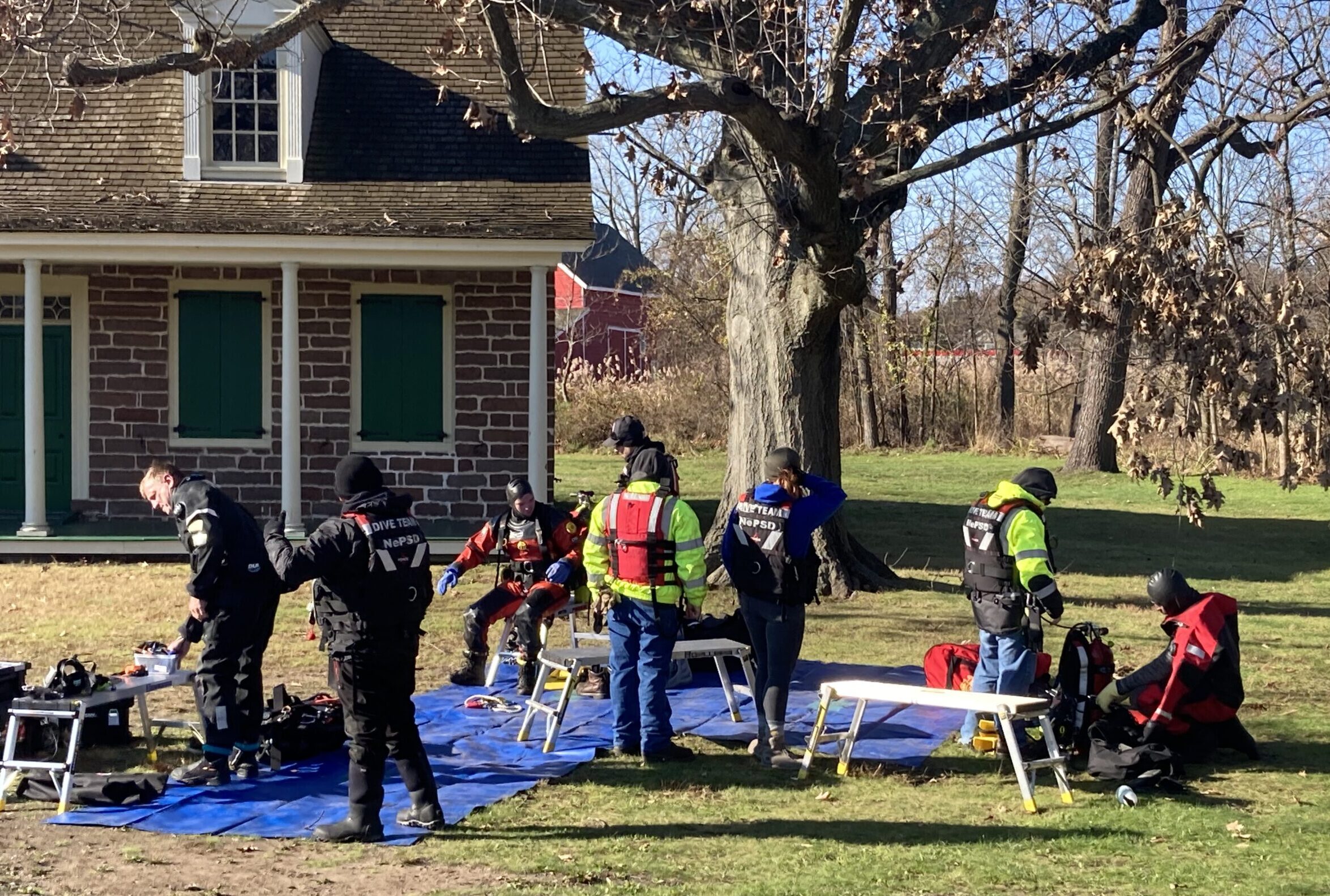
Steuben House, River Edge NJ
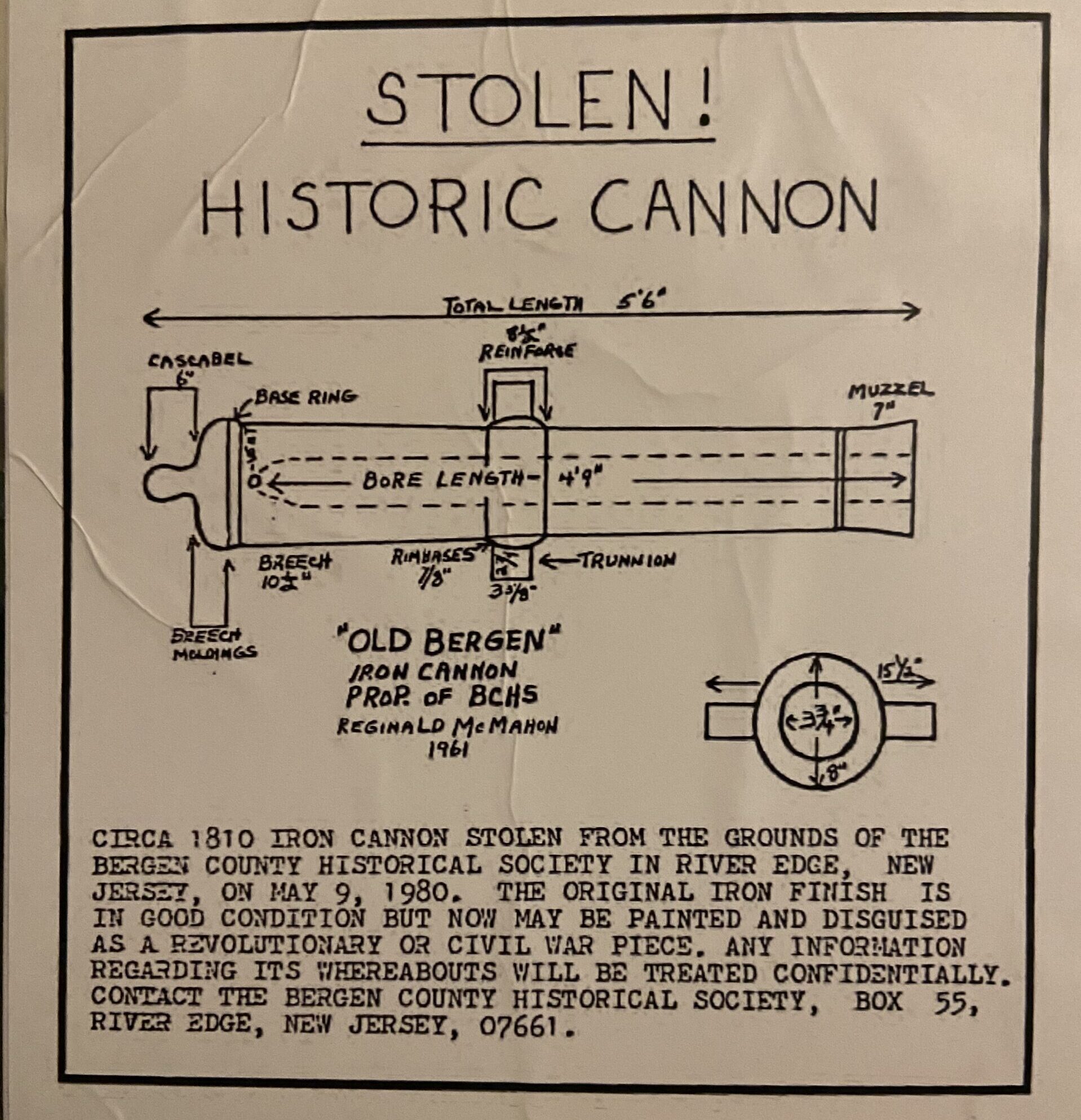
Divers search Hackensack River for 1812 cannon
The UFEF has been on the hunt for this cannon since requested by the Bergen County Historical Society. It thought to have been pushed in during a drunken prank in the early 80’s, The 40-year anniversary brought a Facebook post asking for more info and help. NePSD’s Contacts at the State Parks Service allowed them to be recommended to the society as a team that may be willing to help. We gladly said we would give it a try and started our own investigation; we had the great opportunity and willingness of a great company out of NJ Aqua Survey who generously did a survey for us to narrow the search. The Tides, General Conditions, the limited number of divers skilled for the environment, and 40 plus year of debris has proved the search options to be limited and tedious. This search to bring back history remains high on our list and we plan to continue the search when resources allow until all areas are cleared of the target. Stay Tuned for more information.

Anthropologist Request For Diver Excavation
Unidentified cranium was discovered at the Tenafly Nature Center, Tenafly, Bergen County,
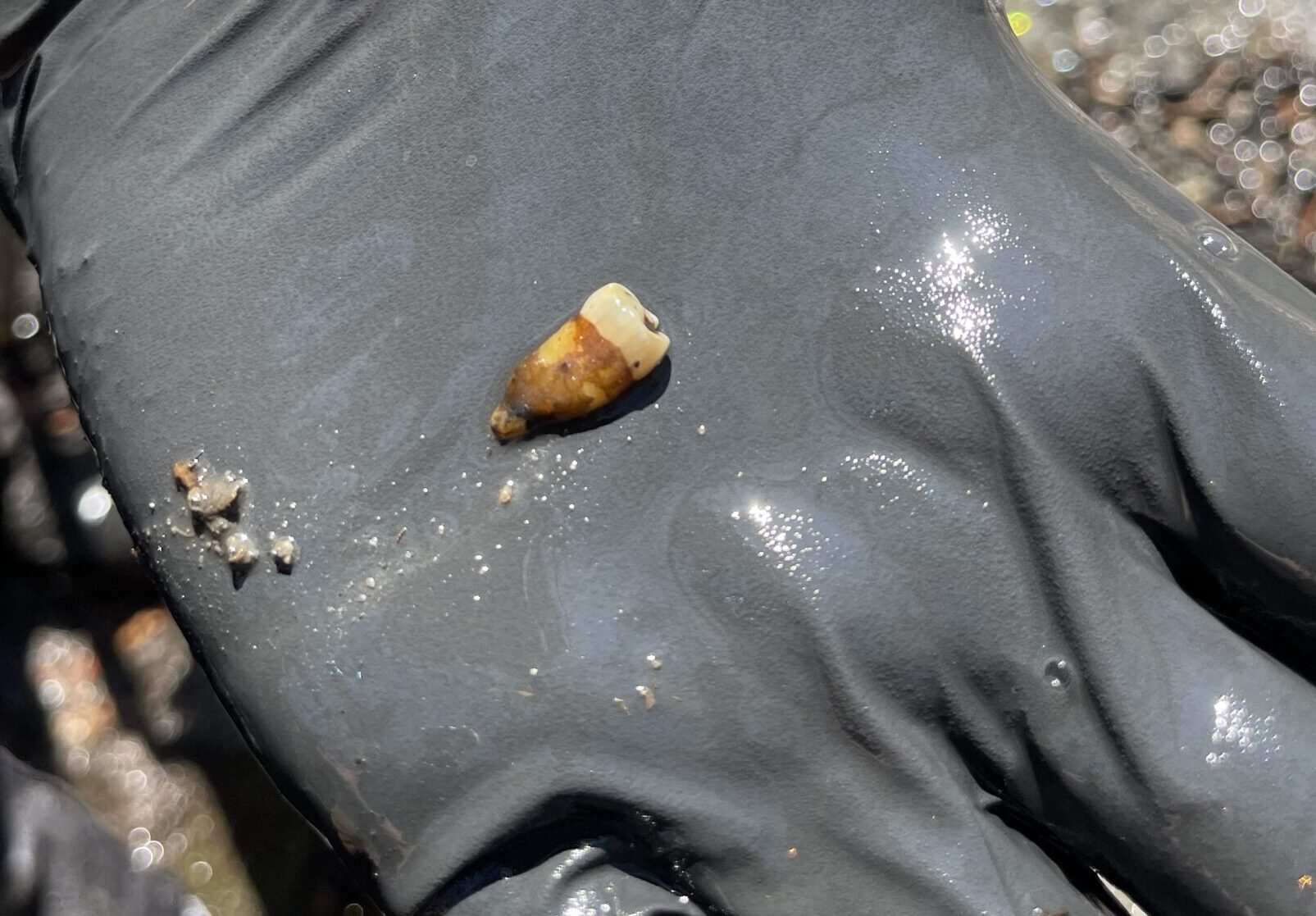
On April 13, 2023, the Forensic Anthropology Unit assisted the Bergen County Prosecutor’s Office with a controlled excavation of the area where the cranium was located. The shoreline was excavated with assistance from divers, and 1 human tooth was found. The tooth articulates with the maxilla.
The remains consist of 1 human cranium. The mandible was not recovered. The cranium is completely • skeletonized, no odor of decomposition and dark brown in color. There are leaves and dirt adhering to the cranium. The cranium is weathered with postmortem fracturing and bone erosion. 1 incus bone was recovered from the cranium. This is not a recent deposit. The left temporal, left zygomatic, right & left palatine, right & left styloid, right & left maxilla and right & left nasal are all fractured postmortem. The right & left lacrimal and vomer are absent postmortem. There is no animal activity.Ancestry is best determined by using the observations of the cranial bones, particularly the facial skeleton.
The cranium exhibits the following Hispanic features. There is a rounded nasal sill, intermediate nasal ape1ture and intellllediate nasal bridge. There is no evidence of an anterior nasal spine. The orbital aperture is round with a wide interorbital distance and projecting lower eye border. The sutures are complex on the cranium with the presence of an Inca bone. The mastoids are wide. The palate is “U” shaped. The zygomatic arches are retreating and the zygomaxillary suture is angled. There is no post-bregmatic depression.